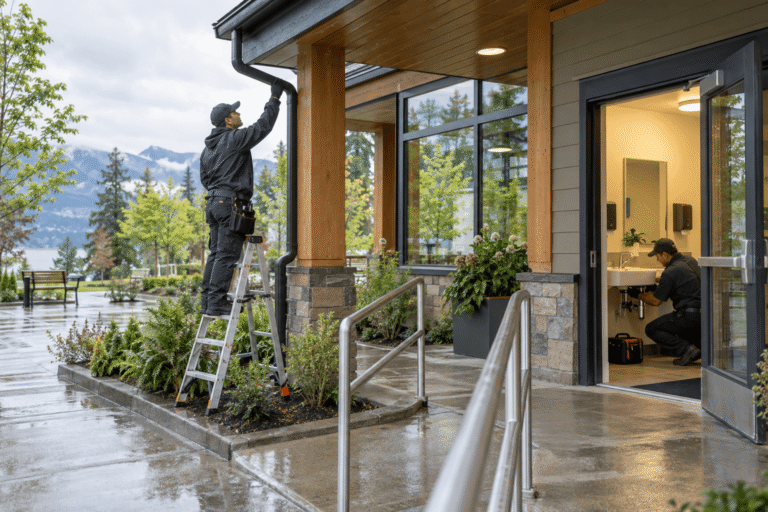
Community spaces do a lot more than provide four walls and a roof. They give people a place to gather, learn, celebrate, work, share stories, and support one another. Whether a building is used as a cultural centre, community hall, nonprofit office, meeting space, or neighbourhood facility, regular maintenance helps keep it safe and dependable. Here in the Lower Mainland, that means paying particular attention to moisture, drainage, heating, and plumbing. Staying on top of routine inspections and knowing when to call professionals for Surrey plumbing services or other building repairs can help prevent a small problem from turning into an expensive emergency.
Anyone who has spent a few winters around Vancouver and Surrey knows how hard long stretches of wet weather can be on a building. Heavy rain, wind, falling leaves, occasional freezing temperatures, and damp conditions can expose weaknesses that were easy to overlook during summer.
The good news is that building maintenance does not need to be complicated. A practical checklist and a consistent schedule can go a long way.

Why Regular Building Maintenance Matters
It is easy to put off a dripping faucet, slow drain, loose door handle, or small stain on a ceiling when there are more important programs and events to organize.
The problem is that buildings rarely fix themselves.
A slow plumbing leak may eventually damage a cabinet or floor. A blocked gutter can send rainwater toward the foundation. A worn door seal can allow moisture inside. A heating system that receives little attention might stop working during the coldest week of the year.
Preventive maintenance helps community organizations:
- Catch problems while they are still small
- Reduce unexpected repair costs
- Protect furniture, equipment, records, and supplies
- Keep gathering areas comfortable
- Reduce the chance of water damage
- Improve accessibility and safety
- Extend the life of building systems
- Plan repair expenses instead of reacting to emergencies
- Reduce interruptions to programs and events
For busy community organizations, the goal does not need to be a perfect building. The goal is to know what condition the building is in and deal with problems before they get worse.
1. Inspect Plumbing Fixtures and Water Systems
Plumbing is one of the most important areas to include in any maintenance routine because water can cause considerable damage when it ends up where it does not belong.
Community buildings may also place more demand on washrooms, kitchens, and sinks than a typical home. During meetings, classes, celebrations, and public events, dozens or even hundreds of people could use the facilities over a short period.
Check Faucets and Fixtures
Walk through the building and turn on each faucet.
Look for:
- Dripping faucets
- Loose handles
- Water leaking around the base
- Low water pressure
- Unusual noises
- Rust or corrosion
- Fixtures that are difficult to operate
Do not overlook a minor drip. Apart from wasting water, it can be an early sign of a worn washer, seal, cartridge, or connection.
Inspect Toilets and Washrooms
Washrooms deserve regular attention, particularly in buildings that host frequent events.
Check for:
- Toilets that continue running after flushing
- Weak or incomplete flushing
- Leaks around the toilet base
- Loose seats
- Slow drains
- Dripping faucets
- Water collecting on floors
- Damaged caulking
- Unusual sewage smells
A toilet that runs for weeks can waste water, while moisture around the base may indicate a problem that needs more than a quick surface cleanup.
Look Under Sinks
One of the easiest maintenance checks takes less than a minute.
Open the cabinet under each sink and look inside.
Watch for:
- Damp wood
- Water stains
- Corroded pipes
- Loose connections
- Mold or mildew
- Swollen cabinet materials
- Musty smells
Small leaks often remain hidden inside cabinets until enough damage has occurred to become visible from the outside.
2. Watch for Signs of Hidden Water Leaks
Not every plumbing leak creates an obvious puddle.
Water can travel behind drywall, along pipes, through ceilings, and beneath flooring before anyone notices it. By then, the repair may involve more than the original pipe or fixture.
Possible warning signs include:
- Brown or yellow ceiling stains
- Bubbling paint
- Peeling paint or wallpaper
- Soft drywall
- Warped flooring
- Damp carpet
- Musty odours
- Mold growth
- Dripping sounds behind a wall
- Unexplained moisture inside cabinets
If a ceiling stain suddenly appears, do not simply paint over it. Determine where the moisture came from first.
In a community building, hidden water damage can also threaten stored photographs, paperwork, books, cultural materials, electronics, furniture, and supplies. Keeping sensitive materials away from plumbing lines and off basement floors provides another layer of protection.
3. Keep Drains Clear and Working Properly
Slow drains are easy to ignore because the sink may still technically work. But drainage problems usually become more inconvenient with time.
Check washroom sinks, kitchen sinks, floor drains, utility sinks, and other drainage points.
Common Signs of a Drain Problem
Watch for:
- Water draining slowly
- Gurgling noises
- Frequent clogs
- Unpleasant drain odours
- Standing water
- Water backing up into another fixture
A recurring clog deserves more attention than a one-time blockage. It could indicate buildup farther down the pipe or another drainage problem that needs professional assessment.
Help Prevent Drain Problems
Simple habits make a difference:
- Keep food scraps out of sinks
- Never pour cooking grease down a drain
- Use sink strainers where appropriate
- Remove hair and debris from accessible strainers
- Keep floor drains free from stored items and dirt
- Clean kitchen areas after events
- Address slow drainage before a complete blockage develops
In a community kitchen, make sure volunteers and temporary users understand what should and should not go down the sink. Clear signs near food preparation areas can help prevent problems.
4. Pay Close Attention to Moisture
Moisture deserves special attention in Surrey.
The City of Surrey notes that heavy rain is common on the West Coast, particularly during fall, and recommends keeping gutters and storm drains clear to reduce flooding risks.
Inside the building, inspect:
- Basements
- Storage rooms
- Bathrooms
- Kitchens
- Utility rooms
- Window frames
- Exterior walls
- Ceilings below washrooms
- Areas around water heaters
- Walls containing plumbing lines
Look for more than visible water. A persistent musty smell can be just as important as a stain.
Do Not Just Treat the Surface
If mold or mildew keeps returning, cleaning the visible area is not enough.
Ask why moisture is present.
The source might be:
- A plumbing leak
- Roof damage
- Poor ventilation
- Window condensation
- Exterior water entry
- A blocked drain
- High indoor humidity
Fixing the source should come before cosmetic repairs.
5. Maintain Heating and Cooling Systems
A community space needs to remain comfortable when people are using it.
Around Metro Vancouver, heating systems tend to become much more noticeable as soon as the first stretch of cold, wet weather arrives. Waiting until the building is full of people on a cold January evening is not the ideal time to discover that something is wrong.
Basic maintenance may include:
- Replacing or cleaning filters
- Keeping vents unobstructed
- Checking thermostats
- Listening for unusual sounds
- Watching for uneven heating
- Keeping mechanical rooms clear
- Scheduling appropriate professional servicing
If one room suddenly feels much colder than another, do not simply turn up the thermostat for the whole building. Uneven temperatures may point to an airflow or equipment problem.
6. Inspect Doors, Windows, and Weather Seals
Our Lower Mainland rain has a way of finding weak spots.
Before the wettest part of the year, inspect windows and exterior doors.
Look closely at:
- Caulking
- Weatherstripping
- Door sweeps
- Window frames
- Locks
- Hinges
- Door closers
- Exterior trim
After a period of heavy rain, walk through the building and check window sills and walls around exterior openings.
Signs that need attention include:
- Damp drywall
- Water stains
- Peeling paint
- Swollen trim
- Condensation
- Soft wood
- Water collecting near doors
Replacing a small section of failed caulking is usually much easier than repairing a wall after repeated water exposure.
7. Inspect the Roof and Exterior
You do not need to climb onto a roof yourself to pay attention to its condition.
In fact, roof inspections that require working at height should be left to qualified professionals.
From the ground or another safe location, watch for:
- Missing roofing materials
- Damaged edges
- Loose flashing
- Sagging areas
- Overflowing gutters
- Broken downspouts
- Water stains
- Debris buildup
Inside the building, periodically inspect the top-floor ceilings.
A new ceiling stain after a strong rainstorm deserves attention.
Check Exterior Walls Too
Walk around the property and look at siding, masonry, trim, and other exterior finishes.
Check for:
- Cracks
- Open gaps
- Failed caulking
- Damaged siding
- Water staining
- Openings around utility lines
- Deteriorated trim
A quick walk around the property every few months can reveal changes that are difficult to notice when everyone enters through the same front door each day.
8. Clean Gutters and Manage Water Around the Property
Drainage is especially important in Surrey because so much water can arrive during the rainy season.
The City manages a broad stormwater system for rainwater and snowmelt running from roofs, driveways, roads, and other surfaces. Property owners also play a role by keeping drainage around individual buildings working properly.
Include These Tasks on Your Checklist
- Remove leaves from gutters
- Clear blocked downspouts
- Keep nearby drains free of debris
- Check that water flows away from the building
- Look for pooling near foundations
- Inspect drainage after heavy rainfall
- Keep ditches and culverts clear where applicable
This becomes particularly important in autumn.
If you have spent a fall in neighbourhoods such as Fleetwood, Guildford, Newton, Cloverdale, or South Surrey, you know how quickly leaves can accumulate after a few windy days.
The City of Surrey specifically warns that leaves covering storm drains can contribute to neighbourhood flooding.
Check Foundation Drainage
Water sitting against a building should never become normal.
The City notes that perimeter foundation drains can collect debris such as dirt, silt, leaves, pine needles, and roots and may need periodic cleaning.
If water repeatedly collects near a foundation, investigate the cause rather than assuming that standing water is simply part of living on the Wet Coast.
9. Inspect Electrical Systems and Lighting
Building managers and volunteers can perform basic visual checks, but electrical repairs should be left to qualified professionals.
During routine inspections, look for:
- Burned-out lights
- Flickering fixtures
- Damaged outlet covers
- Loose switches
- Exposed wiring
- Outlets that feel unusually warm
- Breakers that trip repeatedly
- Broken exterior lighting
- Non-working emergency lights
Do not use extension cords as a permanent solution for inadequate outlets.
Community spaces often change over time. A room that once hosted small meetings might now contain computers, audio equipment, kitchen appliances, or event equipment. Electrical needs can change with how the space is used.
10. Keep Entrances and Walkways Safe
The first few metres around a community building deserve regular attention.
Inspect:
- Sidewalks
- Stairs
- Ramps
- Handrails
- Door thresholds
- Parking areas
- Entrance mats
- Exterior lights
Look for:
- Cracks
- Loose railings
- Uneven surfaces
- Standing water
- Slippery areas
- Poor lighting
During colder weather, watch for ice around entrances and areas where water drains across a walkway.
A downspout sending water across a path may create little trouble during fall rain but become a slipping hazard when temperatures drop.
11. Maintain Kitchens and Food Preparation Areas
Many community buildings have kitchens used for gatherings, celebrations, classes, fundraisers, and volunteer events.
That frequent use makes kitchen maintenance especially important.
Check:
- Sink faucets
- Drainage
- Pipes beneath sinks
- Dishwasher connections
- Refrigerators
- Freezers
- Cabinets
- Counters
- Flooring
- Appliances
Pay particular attention after large events.
Food debris and grease can cause drain problems, while spills or unnoticed leaks can damage cabinets and flooring.
Make sure someone is responsible for checking that faucets are fully closed and appliances are left in the proper condition after the building has been used.
12. Do Not Forget Storage Areas
Storage rooms often receive attention only when someone needs something from them.
That makes them a common place for building problems to go unnoticed.
Every few months, inspect storage rooms for:
- Water stains
- Dampness
- Mold
- Pest activity
- Damaged shelving
- Blocked vents
- Blocked exits
- Leaking pipes
- Items stored directly against exterior walls
Whenever possible, avoid storing important items directly on a basement floor.
Shelving can offer some protection if minor flooding or a plumbing leak occurs.
This is particularly important for organizations storing records, photographs, historical material, event supplies, books, artwork, or other items that may be difficult or impossible to replace.
13. Review Fire and Emergency Safety Equipment
Building maintenance is not only about preventing property damage.
It is also about making sure the building can be used safely.
Include regular checks of:
- Smoke alarms
- Carbon monoxide alarms
- Fire extinguishers
- Emergency exit signs
- Emergency lighting
- Exit doors
- Evacuation routes
Never allow tables, boxes, decorations, or storage items to block exits.
Organizations should also follow applicable inspection, fire safety, and building requirements for their type of facility.
14. Check Accessibility Features
A welcoming community space should work for as many people as possible.
Maintenance problems can create barriers even when accessibility features were properly installed.
Inspect:
- Ramps
- Handrails
- Accessible parking areas
- Automatic door openers
- Accessible washrooms
- Doorways
- Hallways
- Entrance thresholds
For example, an automatic door button that has stopped working may seem like a minor maintenance issue to one person but create a significant barrier for another.
Keep hallways clear and address damaged accessibility equipment promptly.
15. Create a Seasonal Building Maintenance Schedule
Trying to inspect everything at once can make building maintenance feel overwhelming.
Breaking the work into seasons makes it much easier.
Spring
After winter, look for damage caused by moisture and colder weather.
Spring tasks can include:
- Inspecting the roof
- Cleaning gutters
- Checking exterior drainage
- Looking for basement moisture
- Checking outdoor faucets
- Inspecting exterior walls
- Checking walkways for winter damage
Summer
Take advantage of drier days to deal with exterior maintenance.
Consider:
- Exterior painting and sealing
- Window repairs
- Door maintenance
- Cooling system inspections
- Outdoor plumbing checks
- Roof repairs
- Landscaping that improves drainage
Fall
For many Surrey buildings, fall may be the most important maintenance season.
Focus on:
- Cleaning gutters
- Clearing leaves from drains
- Inspecting downspouts
- Testing heating
- Checking weatherstripping
- Looking for exterior gaps
- Inspecting the roof
- Preparing outdoor plumbing for colder temperatures
The goal is to prepare before weeks of wet weather settle in.
Winter
During winter, monitor the building rather than assuming fall preparation was enough.
Check for:
- Plumbing leaks
- Heating problems
- Ice around entrances
- Roof leaks
- Window condensation
- Drainage problems
- Water entering basements or lower levels
Unusual cold snaps can also expose plumbing weaknesses that were not obvious earlier in the year.
16. Keep a Simple Maintenance Record
A good maintenance log does not need special software.
A spreadsheet, binder, or shared document can work perfectly well.
Record what was inspected, what was found, and what needs to happen next.
| Maintenance Item | What to Record |
|---|---|
| Inspection date | When the area or system was checked |
| Problem found | Leak, damage, blockage, wear, or other concern |
| Location | Where in the building the problem occurred |
| Action taken | Cleaning, monitoring, repair, or replacement |
| Professional contacted | Contractor or service provider used |
| Cost | Repair or maintenance expense |
| Follow-up | When the issue should be inspected again |
Maintenance records are particularly useful when volunteers, board members, staff, or facility managers change.
Instead of relying on someone remembering that “the sink did something like this last year,” the organization has a clear history of the problem.
Records also help identify patterns.
If the same drain blocks every few months or the same ceiling develops a stain after every major rainstorm, there is probably a larger issue worth investigating.
17. Know Which Building Problems Should Not Wait
Not every repair is an emergency.
A scratched wall can wait. An active water leak usually should not.
Problems that deserve prompt attention include:
- Burst or leaking pipes
- Water flowing through a ceiling
- Sewage backups
- Toilets overflowing repeatedly
- Major drainage blockages
- Strong sewage odours
- Electrical hazards
- Heating failure during cold weather
- Significant roof leaks
- Structural damage
- Rapid mold growth caused by ongoing moisture
Use common sense.
If ignoring the issue for another week could cause significantly more damage or put people at risk, move it up the maintenance list.
A Quick Community Building Maintenance Checklist
For regular walkthroughs, keep this shorter checklist available:
- Check faucets for dripping or leaks
- Inspect toilets
- Look beneath sinks
- Test drains
- Look for water stains
- Inspect basements and storage rooms
- Check heating and cooling
- Inspect windows and doors
- Check the roof from a safe location
- Clean gutters
- Keep exterior drains clear
- Look for standing water
- Check walkways and entrances
- Inspect lighting
- Test emergency equipment
- Review accessibility features
- Inspect kitchens
- Check important storage areas
- Record any problems
- Schedule professional repairs when necessary
A 20-minute walkthrough once a month can reveal problems that might otherwise remain unnoticed for weeks.
Building Maintenance Is Really About Caring for the Community
It is easy to think of building maintenance as a list of pipes, drains, roofs, lights, and repairs.
But the building itself is not the most important part.
The people who use it are.
A well-maintained community space gives people a reliable place to hold meetings, share meals, teach, learn, celebrate, organize programs, preserve important materials, and spend time together.
In Surrey and across the Lower Mainland, our wet climate makes regular inspections particularly worthwhile. Gutters fill with leaves. Drainage systems work hard during heavy rain. Moisture finds weak points. Heating becomes essential during damp winter months.
None of this means every community organization needs a large maintenance budget or a full-time facility manager.
What matters most is consistency.
Walk through the building regularly. Pay attention to changes. Keep basic records. Deal with water problems early. Prepare for each season instead of waiting for weather to expose a weakness.
Small repairs will always be part of looking after a building, but catching them early can prevent much larger problems later.
When a community takes care of the space it relies on, it is also helping protect the programs, gatherings, resources, and connections that happen inside it.